Understand differences. Act together.
Intercultural competence & diversity
Training for teams and leaders to shape international cooperation thoughtfully and prevent misunderstandings early.
Marietta reviews every request personally and confirms the date and format.
Focus
Knowledge that becomes confident action.
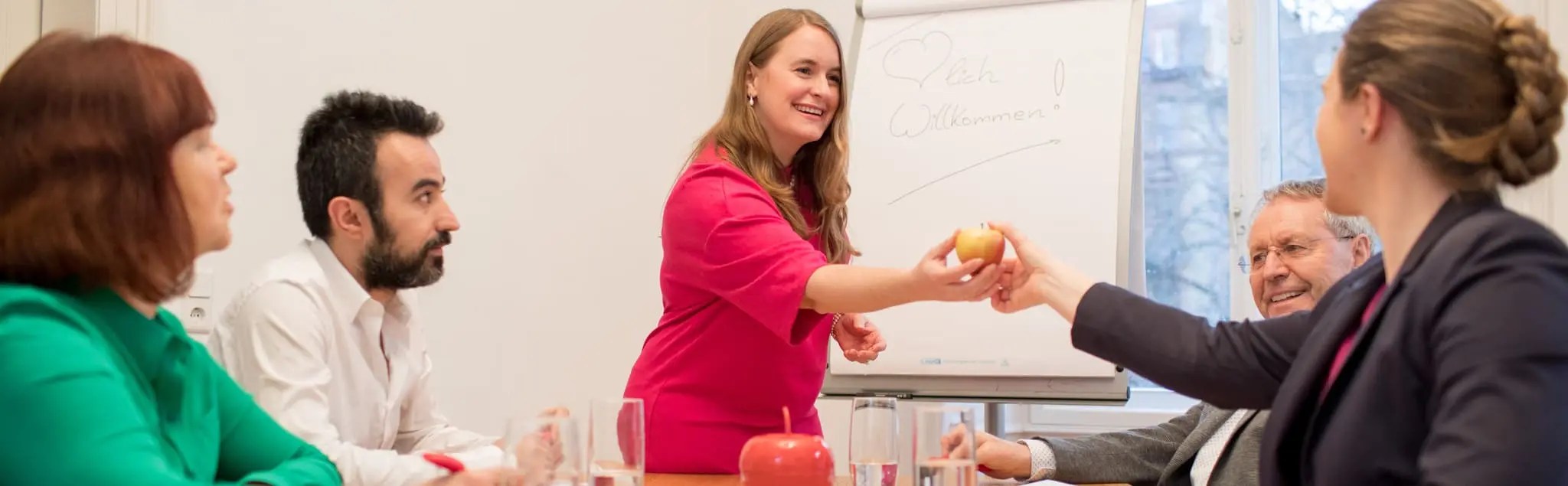
The course combines academically grounded models with realistic exercises. Participants work on their own cases, receive precise feedback and develop solutions they can apply directly.
Who it is for
Communication for people with responsibility.
Related programmes
Learning objectives
What participants develop
Recognise cultural patterns
Change perspectives
Strengthen international teams
The key to international success. Globalisation today confronts companies and leaders with unprecedented challenges. Time for intercultural training! We work with colleagues, partners and clients from all over the world. Our training for greater intercultural competence help you move confidently on the international stage. We combine expert knowledge tailored to key regions with active awareness-building of problems and pitfalls in everyday business. Learn with us through case studies and exercises to act more confidently in intercultural situations. Lilit seminars are of course available in both German and English.
Our intercultural qualifications
Intercultural competence in three steps
1. Intercultural training with research-based input
Scientific research on cultural standards and dimensions forms the basis for intercultural awareness in the seminar. Lilit uses established research to make cultural differences understandable while developing an appreciation of diversity and difference. On request, we also offer psychological assessments of participants‘ intercultural sensitivity or preferences. These can be booked as an addition to training or coaching. 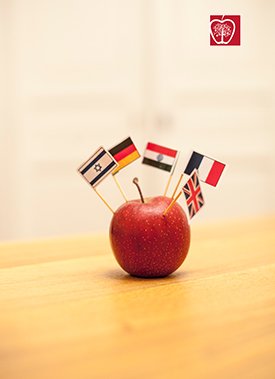 We make international collaboration a success
2. Key facts about the target culture
Employees and expats need key facts about the country they are dealing with. Intercultural training therefore examines different aspects of daily life with a practical focus close to everyday work. This covers everyday matters such as dress codes and etiquette, as well as the effects of a country’s religious and political background on collaboration. Understanding the country’s values is also important for intercultural competence. An understanding of values helps where simple dos and don’ts reach their limits (read our English blog post “Why dos and don’ts are not enough for Israel”).
3. Project work and case studies
Armed with this knowledge, participants move on to practical case studies and typical situations in the third step. We support them in interpreting and analysing these. The knowledge gained is applied directly and their ability to act is strengthened. Group coaching also analyses situations from business practice and project management. Lilit advises and identifies critical developments from an intercultural perspective. This creates moments of insight within teams that sustainably improve international collaboration. Employees and expats can identify problems earlier and find international solutions that, unlike stubbornly going it alone, are viable in the long term.  Prepare for international project work with Lilit. The three steps—research-based input, key facts and analysis of project work—fit seamlessly together in Lilit training. Tailored strategies and roadmaps help your staff deliberately improve diversity—the cooperation of very different cultures within the company—even after training. Rely on professional support for your team from Lilit and ask us today for a quote for Lilit training that brings more international spirit and success to project work! Get advice now
Didactic structure
Analyse. Practise. Transfer.
- Clarify the situationGoals, roles and communication dynamics become visible.
- Test strategiesRealistic exercises create space for precise feedback.
- Secure transferConcrete next steps connect the course with daily work.
The next step