
Lilit Insight
Campaign planning: politics must say NO
Successful campaign planning means getting the right strategy in place early. Lilit offers tips on what to keep in mind during an election campaign!
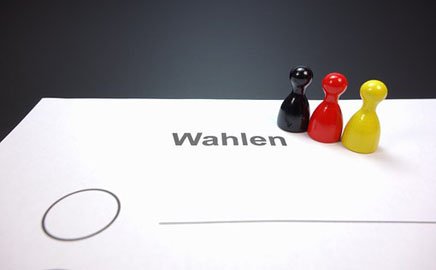
Strategy in election campaign planning. For years, I have delivered election campaign seminars for politicians. Work and campaign planning begin months before voters see the first posters and political exchanges rage in the media. Politicians must decide their communication direction as early as possible to help win the election.
These questions shape campaign positioning
- In one sentence: what is our core message?
- How do we take ownership of key issues?
- How do we convey emotion?
- Which actions serve our goals?
The answers emerge through using strategic empathy and rigorous marketing methods. Emotion is important as the campaign’s underlying tone, SWOTand issue analyses support substantive implementation, and both must work together in campaign materials, activities and decisions about messages and citizens. Small parties and local groups in particular cannot rely on established structures like planners in party headquarters. This makes strategic campaign planning all the more important:
Through positioning, parties and candidates show who they really are. Get to the point: who are you?
 (Image: screenshot from https://twitter.com/cdu)
The scattergun approach — the number-one campaign planning mistake
Small opposition parties and local branches feel like David fighting Goliath. My training experience shows that David often cannot decide whether to use a sling, a dagger or sheer strength. There is no clear course of action, no defined communication goals, no consistent implementation. Decisions are missing, and not only in local campaigns. Germany’s 2013 federal election showed great arbitrariness: the FDP campaign focused on “taking part is everything” without explaining why it was indispensable. The Greens showed individuals with individual ideas without conveying emotionally where the community should head. The SPD ran a negative campaign against Merkel without a positive alternative. Only the CDU stood out with its emotional “everything is safe and everything will be fine — we’re making pancakes” campaign, as it did in 2017 with “For a Germany in which we live well and happily.” Content was hard to discern, but why bother? Merkel’s emotional feel-good core message won through consistent implementation. These examples show that, for positioning, strategically deploying resources in a unified campaign achieves more than freely available campaign materials spread indiscriminately. 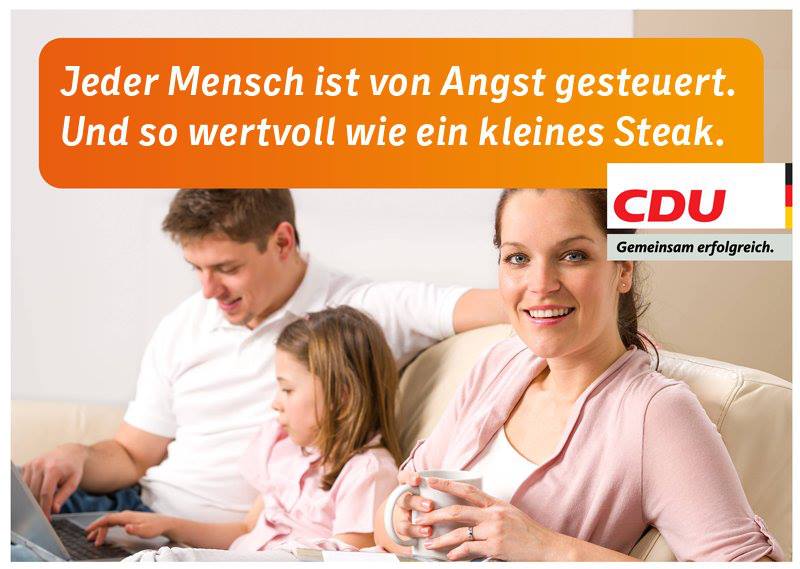 (Image: satire by Titanic magazine on the CDU’s 2013 campaign)
The best campaign strategy: say NO!
This comes down to the question: “Who is your target audience?” Many politicians answer “Everyone!” As idealistic and attractive as this sounds, this is where campaigns succeed or fail. Budgets disappear into mass mailings and overloaded flyers, sometimes distributed to the opponent’s loyal voters. Successful campaigns need decisions: Who are we addressing? For example, do we focus on people concerned with care? Then we can concentrate our efforts: fewer copies of a focused leaflet, an event at a care home encouraging dialogue with carers and families, and a public action demonstrating commitment. All tied back to the core message that embeds care in a coherent political vision for the future.
To be everywhere is to be nowhere!
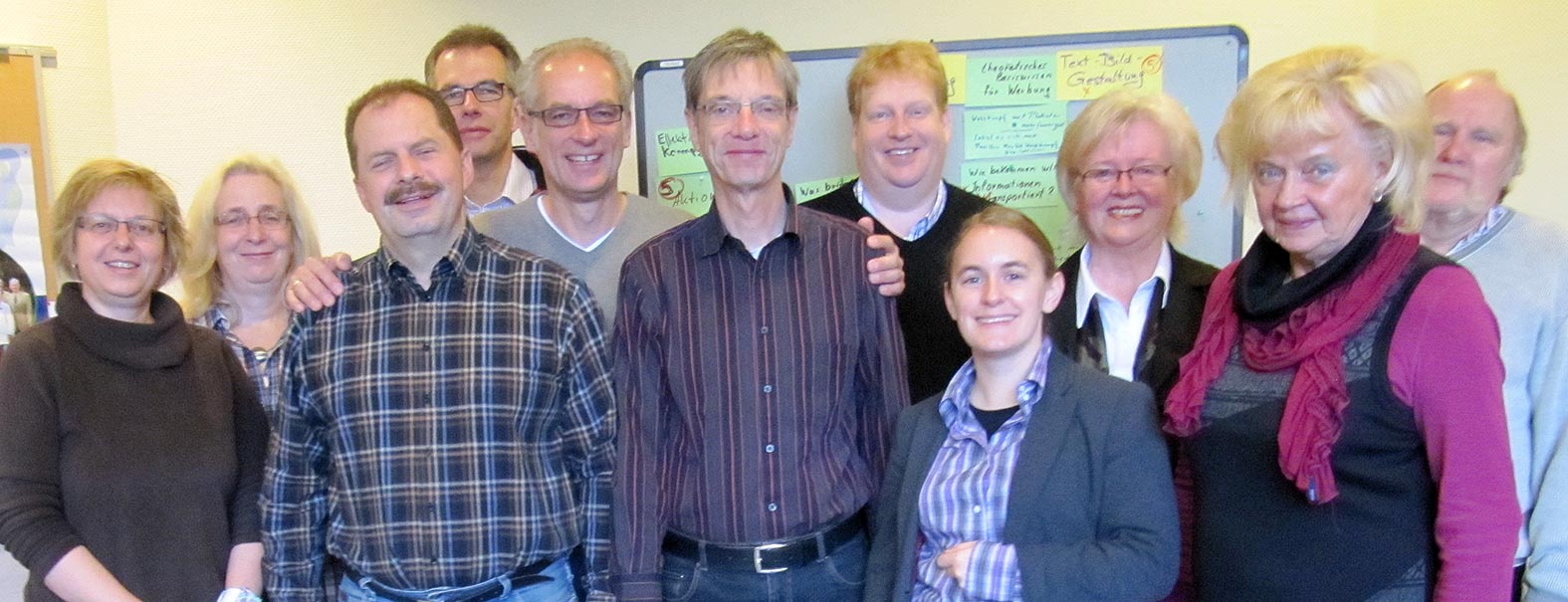
My favourite campaign motto captures this in the words of Seneca : “To be everywhere is to be nowhere!” Clear positions are the essence of strategy. No party can represent every opinion: campaigning always means choosing between alternatives. Local politics still offers the chance to give citizens a genuine choice. This differentiation requires strategic tools, but the most important is not money: it is the word NO. No to certain spending, issues and target groups. Many participants in my campaign seminars wrestle with these questions. I have helped members of local voter associations, campaign teams and incumbents fighting for re-election. Are you also looking for the right campaign strategy? Browse our seminars now or write to usto get to know me and my team.
- For political groups: develop your campaign strategy with us
- For candidates: deliver persuasive speeches with individual coaching in rhetoric and public presence
We look forward to preparing committed groups, campaign teams and candidates for elections! PS: I am especially pleased when the work succeeds. Many of our groups have gained votes, won mayoral campaigns and secured those crucial final percentage points. Wonderful achievements after many hours of planning, discussion and strategy — thank you to everyone involved!
Read more
Related articles.

The next step