
Lilit Insight
“What is the civilian doing here?”: civic education in the Bundeswehr
The Bundeswehr meets a civilian: starting in 2009, I spent a good 5 years running seminars for the Bundeswehr on the pros and cons of overseas deployments. An insight few people get—read here what I learned about civic education, debate and the Bundeswehr’s concept of internal leadership during that time.

The Bundeswehr meets a civilian woman: a close encounter of the third kind
Starting in 2009, I spent a good five years delivering seminars for the Bundeswehr’s Leadership Development and Civic Education Center. Since then, I regularly encounter surprised faces when describing my civic education seminars for the military. Initially, as a civilian and a woman, I was genuinely entering unfamiliar territory. Would the “troops” accept me? Would I cope with military manners? I can now confidently answer yes to all of that, but other questions have proved more relevant. What is interesting is not my role but the actual contact with soldiers through my work: discovering how soldiers — completely “unknown creatures” to me — think, what concerns them and, with every new seminar day, the challenge of confronting stereotypes about the “civilian world”
Motivation and provocation
One thing is clear: I do not deliver a “feel-good seminar” at the Bundeswehr. Groups are usually ordered to attend, hardly anyone is eager for civic education, and the prospect of a good eight hours on foreign and security policy can put some soldiers on the defensive from the outset. Who could blame them? Most expect a lecture-style class that I would dread too. But the day begins with a surprise: a civilian woman? That sparks suspicion: “What is expected of me?” Some initially go to extremes, praising our liberal democratic order so extravagantly that I have to bring them back to earth with the republic’s real problems. Others try to provoke with outrageous statements, then are often surprised when I allow their opinions — and sometimes even help them with genuine arguments supporting their side. 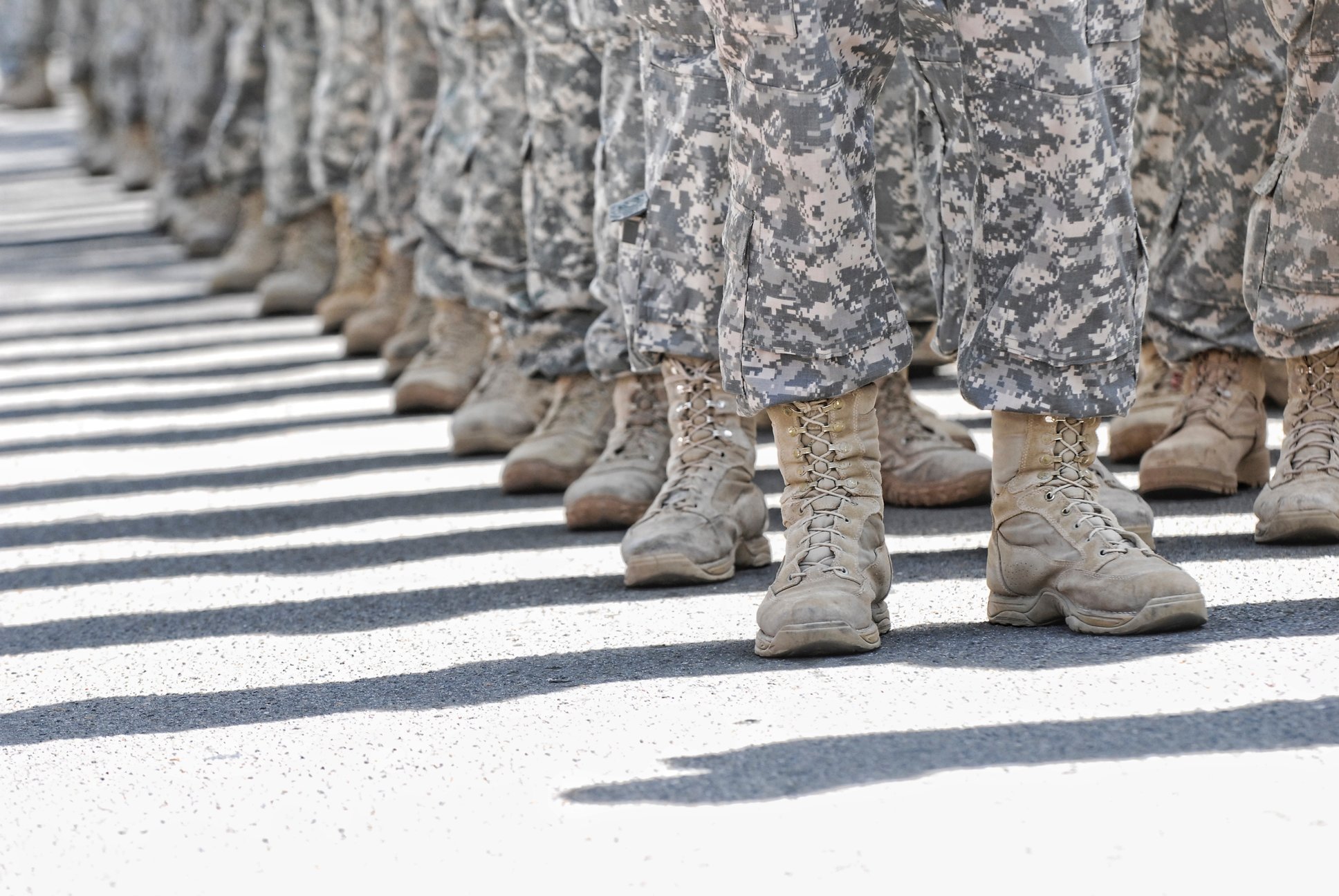
Debating & civic education
All day, we debate, argue and discuss deployments abroad. If the soldiers support them, I oppose them. If they oppose them, I support them. That really gets the men and women going. Sometimes playfully, sometimes seriously, sometimes focusing on weapons systems, then diplomacy, international organizations and intercultural differences, sometimes provocative, sometimes informative — always without offering final answers. Despite the fun, that can be frustrating, and in end-of-day feedback some wish for solutions and for issues to be “brought to a conclusion.” But that is not my aim, nor is it the aim of the Leadership Development and Civic Education Centerwhich commissions the seminars.
Why leadership training needs debate
In brief, the center represents the Bundeswehr’s conscience. A difficult job, especially in times of deployments in Afghanistan, when even looking to politicians offers no satisfactory answer to “Why are we there?” The center is meant to ensure our soldiers see themselves as “citizens in uniform” — part of a democratic system within which they can fulfill themselves. That is why even I am obliged to present both sides of the public debate. This makes sense in light of our historical legacy. But civic education becomes truly exciting when debate becomes an instrument of comprehensive leadership training . Being informed and thinking critically helps people navigate an increasingly complex world and handle challenges and difficult decisions better. One strategic aspect repeatedly emerges: the ability to understand other perspectives and use empathy is a key skill needed to lead other people, in the army or the business world.
Changing perspective — a challenge for civilians too
Several times, this work has brought negative reactions even in my own civilian world. One client was so unsettled by my working with the Bundeswehr that he nearly decided against hiring me for that reason alone. Another time, I was accused of complicity: “Anyone who works with the system supports it.” My response to all of them is that engaging with both sides is right. We imposed this duty on the Bundeswehr for good reasons, and we in civil society should remember to fulfill it too. Only if we also dare to change perspective can debate over the pros and cons of war and deployments bear fruit.
And my experience shows that debating and the debate method are important not only for changing perspective. Taking part in a debate helps us form our own opinions, beyond clichés and entrenched disputes. My clients use this in civic education, in equality-related debates about gender and sex, or to raise their teams’ awareness of intercultural issues. Interested in bringing debate to your organization or business? Or would a show debate or a keynote speech on a specialist topic be right for your conference? Email us your ideas — we make your ideas possible. Get advice now
Read more
Related articles.


The next step