Lilit Insight
International Women’s Day: 4 questions we must ask ourselves in 2018
International Women’s Day: what makes girls strong women? Where do dangers lurk for women? What can we learn from the #metoo debate? What does it mean to be a woman in 2018? My answers to the four key questions for 2018. Read now!
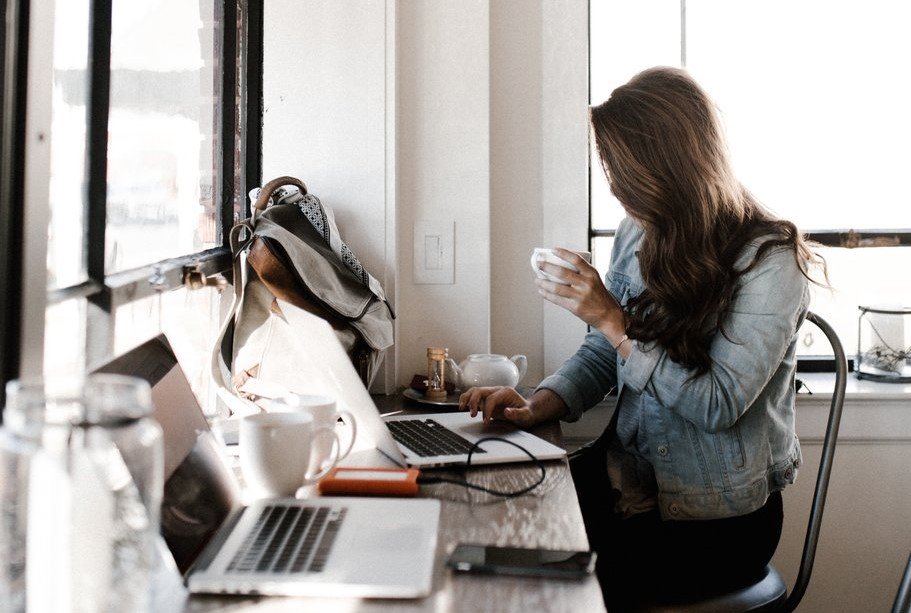
This year, International Women’s Day marks 100 years of women’s suffrage! Yet many questions remain unanswered. Still, it is hard to imagine how different our lives were just a century ago, isn’t it? Yes, anyone who wants to achieve something and change the world must engage politically — not only on International Women’s Day. That is why I offer training and talks on the subject of Female leadership. That is also why I attended this year’s women’s reception at the Hessian State Parliament in Wiesbaden and, last year, accepted an invitation from Minister Spiegel to a breakfast with women leaders in Mainz. I also use these opportunities to gain clarity for myself. What matters? Where should we start? My answers on International Women’s Day 2018 are shaped by these four questions:
1. What helps girls become strong women?
According to sociology, women are “made”, not simply born. Of course, the old “nature or nurture” question cannot be settled in five minutes for International Women’s Day. The fact is that upbringing influences us. Role models, encouragement and lack of access to opportunities can let talents flourish or fall dormant. We all know this from personal experience. Our daughters need good role models! A strong mother, an eccentric grandmother or a tough recorder teacher, for instance (yes, I had one). If we never see strong women, we will not believe we can become one ourselves. That is also why I am involved as a Role-model entrepreneur. Being strong also means firmly rejecting excessive perfectionism. I admired my working mother for buying a cake for the parish fête instead of baking it at 5 a.m. like the “society ladies”. As her daughter, I learned to set priorities, decide for myself what matters and not let others drive me mad.
2. Where do dangers lurk for women?
If you are thinking of dark underpasses, I will disappoint you. As a businesswoman, I mean the quieter dangers: women are far more affected by poverty and poverty in old age. Through childcare and caring for others, they perform important social tasks that receive little or no financial reward. The state consequently indulges in a balanced budget at our mothers’ expense. Combined with marginal employment, part-time work or self-employment as a small business owner, this poses a real financial risk for later life. The gender pay gap is only one side of the coin — an even greater gap awaits in retirement. We must move away from the idea that women merely “earn a little extra”. If we want independence, including from political decisions, we must be able to support ourselves! 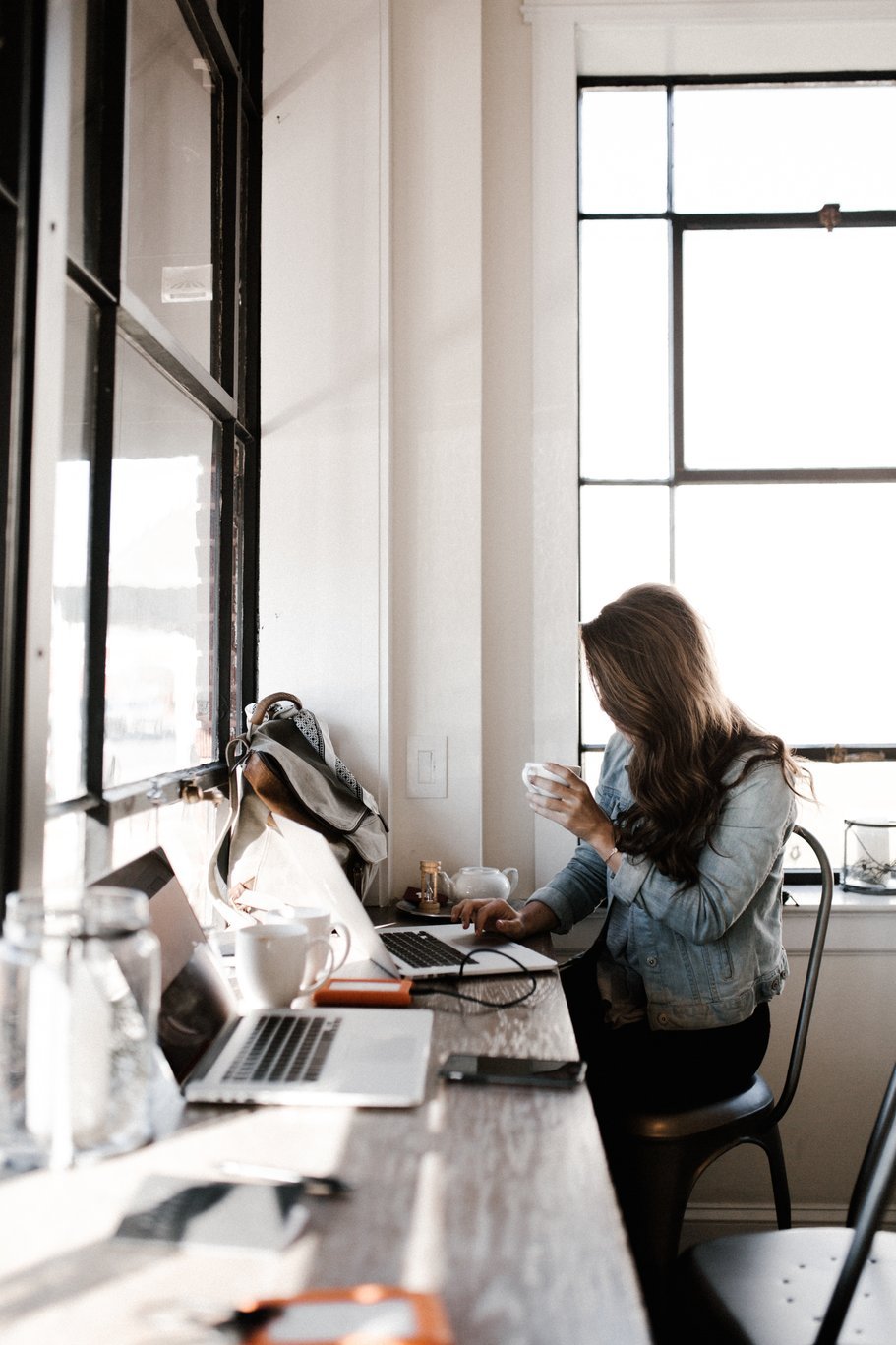 Many women want to break free from the pressure to be perfect.
3. What can we learn from the #MeToo debate?
For many people today, politics and everyday life are completely disconnected. #MeToo? That concerns other people. Yet brushing it aside does none of us any favours. #MeToo is a lived reality in Germany too. I have had to listen to offensive comments and sexist jokes even in my own seminars. They range from “You can bring us the coffee, then” to “This is my room number — just so you know for tonight”; both were clearly power games performed in front of the whole group. That is why we must actively set boundaries in everyday life. This does not absolve any perpetrator of responsibility. Crimes happen regardless of whether we want them to. But an early response prevents a climate that enables misconduct. When constant minor violations are dismissed as harmless, victims are much easier to silence: “But why did she never say anything?” That is why we must speak up!
For example, I make my own boundaries clear in three steps:
1. A stony expression. Signal without words: I will not join in with jokes like that. As a cheerful person, that already has a strong effect when I do it. The power of non-verbal communication should not be underestimated. 2. Say clearly, without humour: “Forget it!” 3. Set a firm boundary: “That is not funny, and I find your comment extremely inappropriate.” Then ignore it and continue professionally, even if the anger remains. Perhaps you respond very differently? You surely have your own style. Either way, we — men and and women — must keep stating clearly and firmly how we want to treat one another. Only together can we agree what is acceptable and what is not.
4. International Women’s Day: what does it mean to be a woman in 2018?
The final question on International Women’s Day remains the hardest: who are we? Only we can answer that for ourselves. Which ideas, wishes and demands do we let influence us? To find answers, women should exchange views. They need dependable networks and the courage to use them. They help us women understand ourselves better and support one another. Frances McDormand showed how in her Oscar speech. She spoke of an “inclusion rider”. This is a contractual clause requiring 50% diversity in film projects: a simple way for Hollywood’s powerful figures to make practical changes. We may not all be film moguls, but we can all contribute in our own way, on International Women’s Day or any other day. Today, we have so many ways to define ourselves: businesswoman, mother, beast and saint. Whatever we choose, what matters is that each of us has the right to choose freely .
We choose our own path — THAT, too, is what 100 years of women’s suffrage means!
 What remains is a feeling of emptiness — #MeToo is a reality in Germany too. Of course, this blog post reflects only my perspective, shaped by my life as an entrepreneur and my work with women leaders. That makes me all the more curious about your answers. Do you see similar challenges on International Women’s Day? What do you see differently? What else should I definitely address? Leave me a comment below or on Facebook or write to me — I look forward to exchanging ideas with you! Send me an email
Read more
Related articles.

The next step