Lilit Insight
Happy Independence Day — on a business trip to India!
On a business trip to India, you need a good understanding of Indian culture. Lilit explains what to consider on Indian Independence Day and how patriotism affects dealings with Indian business partners.

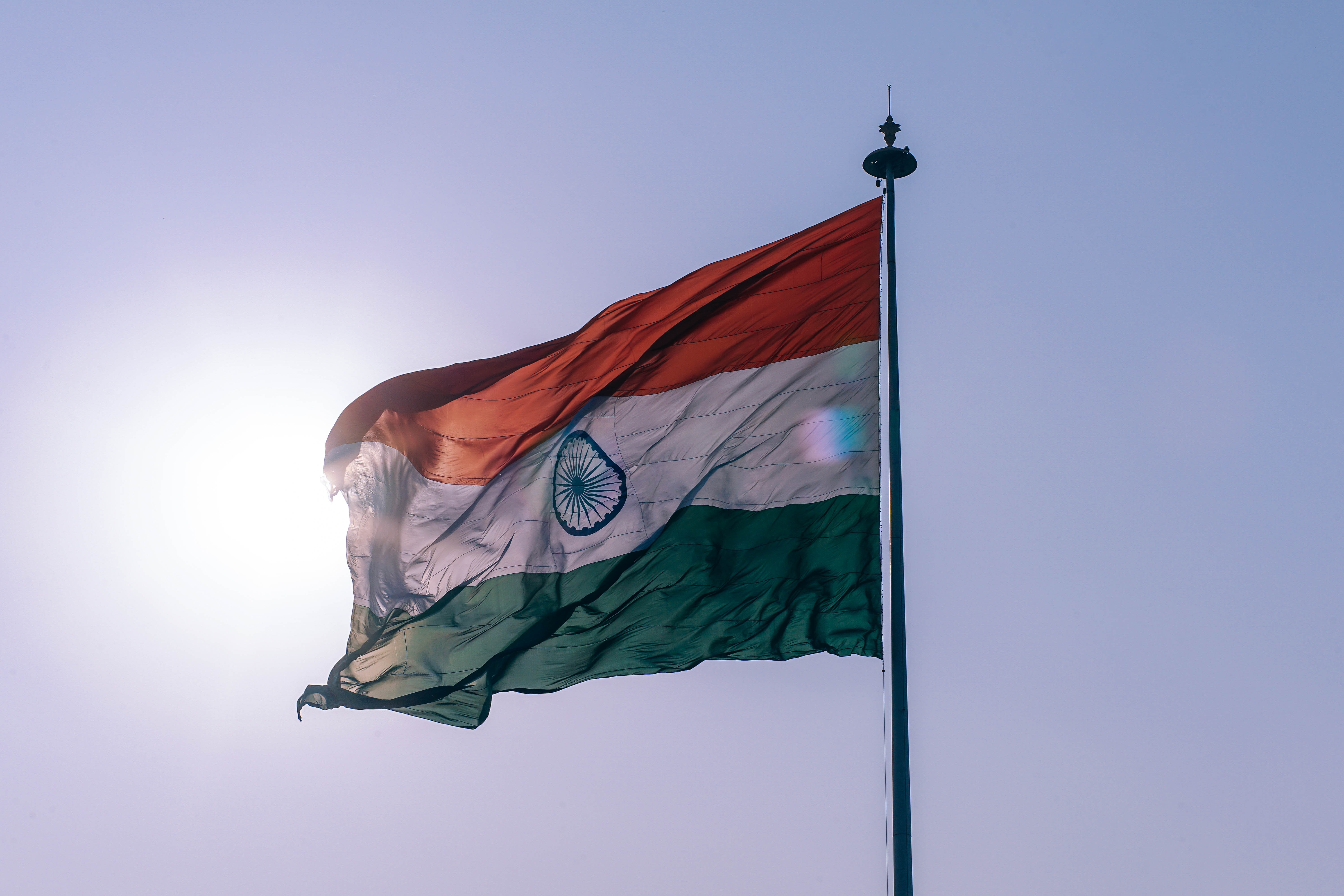 On a business trip to India on Independence Day “Independence Day” first brings to mind the Stars and Stripes and America’s national holiday on July 4. Less well known: August 15 is also Independence Day — in India. Lilit, with intercultural competence offers insights into how the holiday is celebrated and which customs to observe on a business trip to India. Today marks the 70th anniversary of Swatantrata Divas, the day India gained independence from British colonial rule and was partitioned into India and Pakistan.
Spectacular celebrations
One Indian peculiarity: Independence Day is one of India’s three national holidays. The main celebrations take place in New Delhi, the federal republic’s capital. There, the prime minister ceremonially raises the national flag and delivers a speech looking back over the past year and outlining plans for the next. He also commemorates the leaders of the largely peaceful independence struggle, associated with figures such as Mahatma Gandhi. Alongside the official celebrations, many customs and traditions have developed over the years. Flags are raised throughout the country, public cultural programs are held and sweets are given out. It is also customary to exchange holiday greetings by phone or email, such as a brief “Happy Independence Day.” A particular highlight for visitors is the colorful spectacle of kite flying from city balconies and terraces, including competitions between kites.
 From Bombay to Mumbai

Since the mid-1990s, India has experienced growing patriotism nationwide. One obvious aspect you may encounter on a business trip is the renaming of many cities since the 1990s. A prominent example is the change from “Bombay” to “Mumbai.” Similarly, Bangalore became Bengaluru, Calcutta became Kolkata and Madras became Chennai. The new names emphasize India’s independence from the colonial legacy of the British Empire: the British name Bombay actually originated from Portuguese “Bom Bahia” (beautiful bay). The newly coined “Mumbai,” by contrast, derives from the Indian goddess Mumbadevi and emphasizes local identity. Business travelers should note: although people still often say “Bombay” in the street and privately, communication with official bodies or in writing should use the official name “Mumbai” to avoid appearing disrespectful.
India, a multiethnic state
Since the spring 2014 parliamentary elections, India has been governed by a coalition of conservative parties led by the Indian People’s Party (BJP). Alongside a reform-oriented agenda, the BJP advocates Hindutva. Often called Hindu nationalism, this political concept aims to give the religion and culture of the largest population group — Hinduism — a special status within the state. This repeatedly causes domestic tensions in multiethnic India: the world’s most populous democracy contains immense linguistic, religious and cultural diversity. The vast majority of the population speaks English or Hindi and identifies with Hinduism. There is also a relatively large Muslim population. Hindu nationalism does not deny full citizenship to India’s roughly 170 million Muslims and other minorities, but it creates discord between groups through intolerance disguised as forward-looking patriotism.
A threat from nationalism?
 One expression of the current Indian government’s polarizing impact is a nationwide law from November 2016 requiring every cinema to display the Indian flag and play the national anthem before a film. Cinema-goers must stand to strengthen “everyone’s sense of committed patriotism and nationalism,” as a Supreme Court judge said in the ruling. In Bollywood-loving India, refusing this due respect can lead to arrest and up to three years in prison. A frightening manifestation of this growing nationalism occurred in October 2016: cinema-goers attacked a wheelchair user for not standing during the anthem. Nevertheless, on a business trip to India you should avoid making judgmental comments about Hindu nationalism! Remember: criticism of India and Indian national pride is perceived as extremely hurtful and insulting. Your Indian business partner must save face and will distance themselves. Instead, ask interested, open questions without judging: Why is the anthem played? What does your partner think about cultures living together in India? Everyone can save face, you gain interesting firsthand insights, and most importantly: You strengthen your business relationship.
Our Lilit tips for your next business trip to India:
- “Happy Independence Day” and similar holiday greetings show interest in Indian culture
- You can delight Indian colleagues, friends or guests on Independence Day with sweets in the colors of the Indian flag.
- As a guest, you should generally show respect for Indian independence and national pride. In business settings, especially correspondence with authorities, always use the new city names!
- Old city names remain common in private and informal conversations
Intercultural competence with Lilit
A business trip to India requires thorough preparation if you want to avoid its many cultural pitfalls. The specially tailored, practical Lilit coaching Intercultural competence: India prepares you optimally for a business trip to India — not only local etiquette, but also the pitfalls of daily life as a business traveler. Request a personalized quote today — simply send an email or call us directly! Curious to discover more cultures and intercultural experiences?
- Read the interview with director Tom Sommerlatte with his perspective on differences between Germans and French people
- Find out which 5 things every expat in Israel needs to know
- And what the Jewish Yom Kippur holiday is about
Starting business relations with France and want to make the collaboration a success? Then Lilit’s intercultural seminar is exactly right for you! Write to usif you have questions or would like Lilit to support you and your team with intercultural coaching for France, Germany or raising awareness of cultural differences at work — we will be happy to advise you!
Read more
Related articles.


The next step