
Lilit methodology and seminar structure
Seminar structure and training methods
Using engaging exercises and cooperative learning
Our Lilit training thrives on alternating short content inputs with engaging exercises. These exercises ask participants to take action themselves. We alternate between many different seminar methods and group formats. Naturally, these include basic elements of cooperative learning such as the Think-Pair-Share technique. This helps ideas develop gradually and sustainably within the room. We also use elements of civic education, including debating and its components. This means participants’ examples, ideas and knowledge are actively and productively integrated into the learning process and seminar structure. This strengthens learning by connecting new material with existing knowledge. At the same time, variety and links to personal experiences sustain motivation over longer periods. With these basic strategies, the Lilit team engages individual coaching clients and small-group participants just as effectively as large audiences at keynote speeches and event workshops. 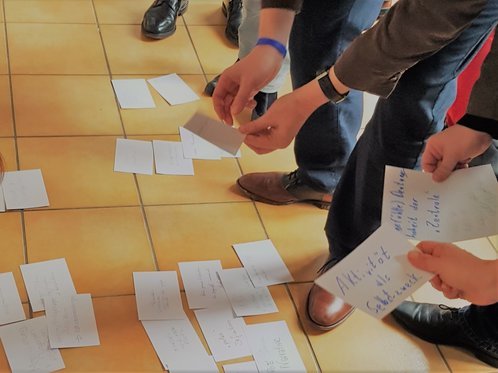 Engaging exercises and methods motivate participants
Individual, diversity-aware selection of methods
Based on these strategies, the Lilit team selects training methods for the seminar structure. We ensure that the methods, interactive questions and short exercises fit precisely. We tailor them to the training objective, the group size and its composition. We believe there is no ‘one size fits all’. Groups with participants of different ages, hierarchical levels and cultural backgrounds learn better in a framework adapted to them. Lilit therefore designs group situations with an awareness of diversity.
Examples of methods used
If you have questions about the methods used in individual training sessions, you should of course contact us directly. Nevertheless, we would like to give you an example of possible seminar methods. The following elements could be used:
- Short trainer presentations and quiz elements
- Individual and group exercises
- Plenary discussion
- Working with specific case studies
- Peer feedback
- Video feedback
The seminar structure is always selected to achieve the best learning progress. Naturally, this also means bringing the group on board when choosing methods. A transparent training schedule is part of this, as is explaining to participants why each method is used—especially important for motivating participation. Not everyone loves video feedback, but many recognise the benefits they can gain from it. 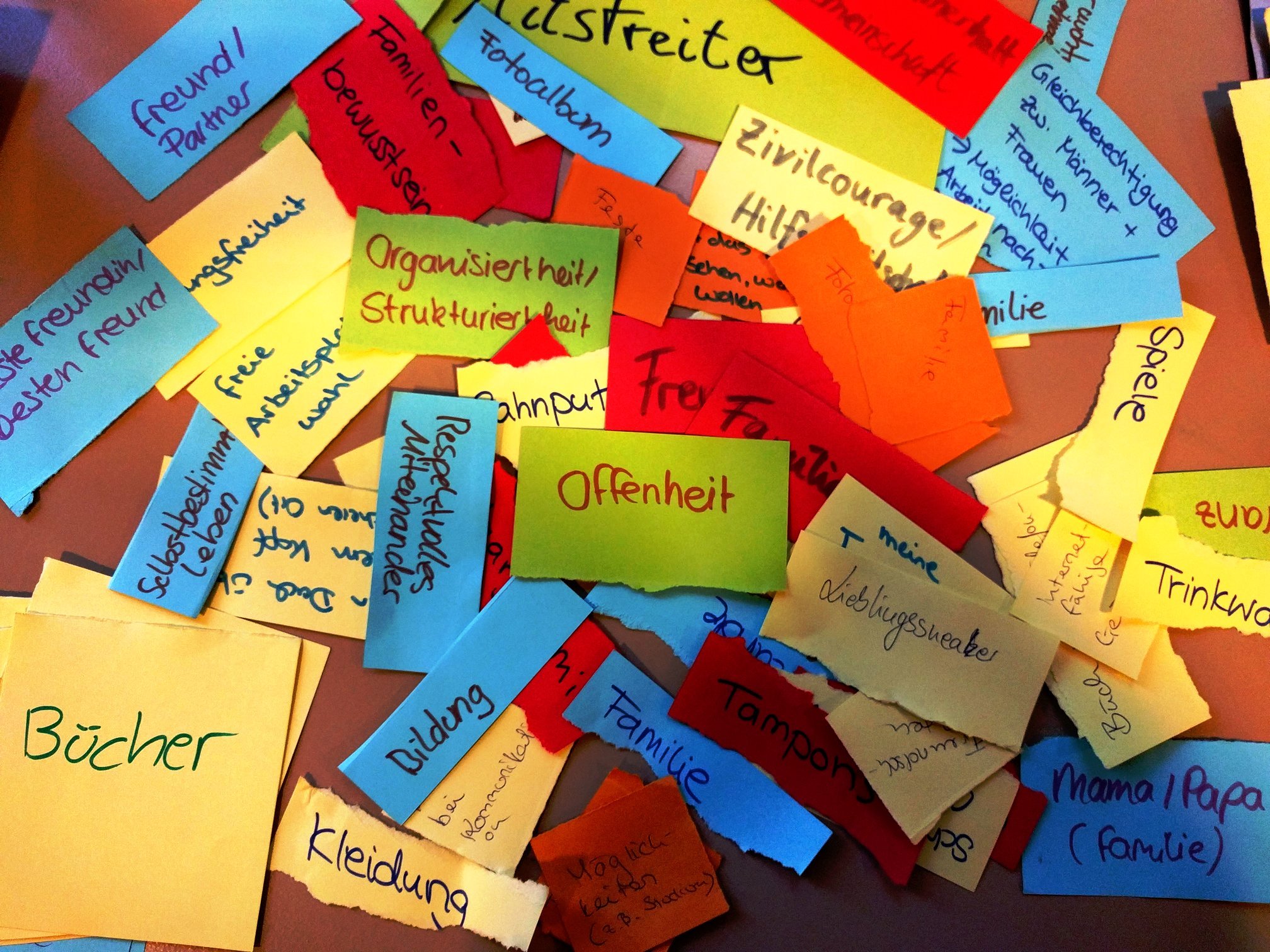 The individual selection of methods must also consider diversity and participants’ needs.
Three pillars of knowledge transfer
Lilit’s work is built on three pillars of knowledge transfer: training, coaching and consulting. These three approaches interlock. Take a group training session for 5 participants, for example. With intensive support, we coach our participants: they receive direct feedback and suggestions for improvement. In individual coaching, we also offer personalised strategy recommendations on request, within the available scope. The central element in seminar structure is always the methodological interplay of knowledge transfer, practice and practical advice. This triad enables you as a client to put the plans into action immediately. At its heart: strategic empathy, because only a deliberate shift in perspective leads to insight and new solutions. Let our excellent references and the feedback from our participants and clients convince you. Browse our seminar and coaching topics or write to us today for a personalised offer. Find your training now
The next step
What conversation is coming up?
Briefly describe your situation. Together we clarify the goal, format and right next step.